50x2030 Workshop Supports Countries in Adopting Improved Survey Methods and Tools
Rome, Italy | April 22–23, 2026
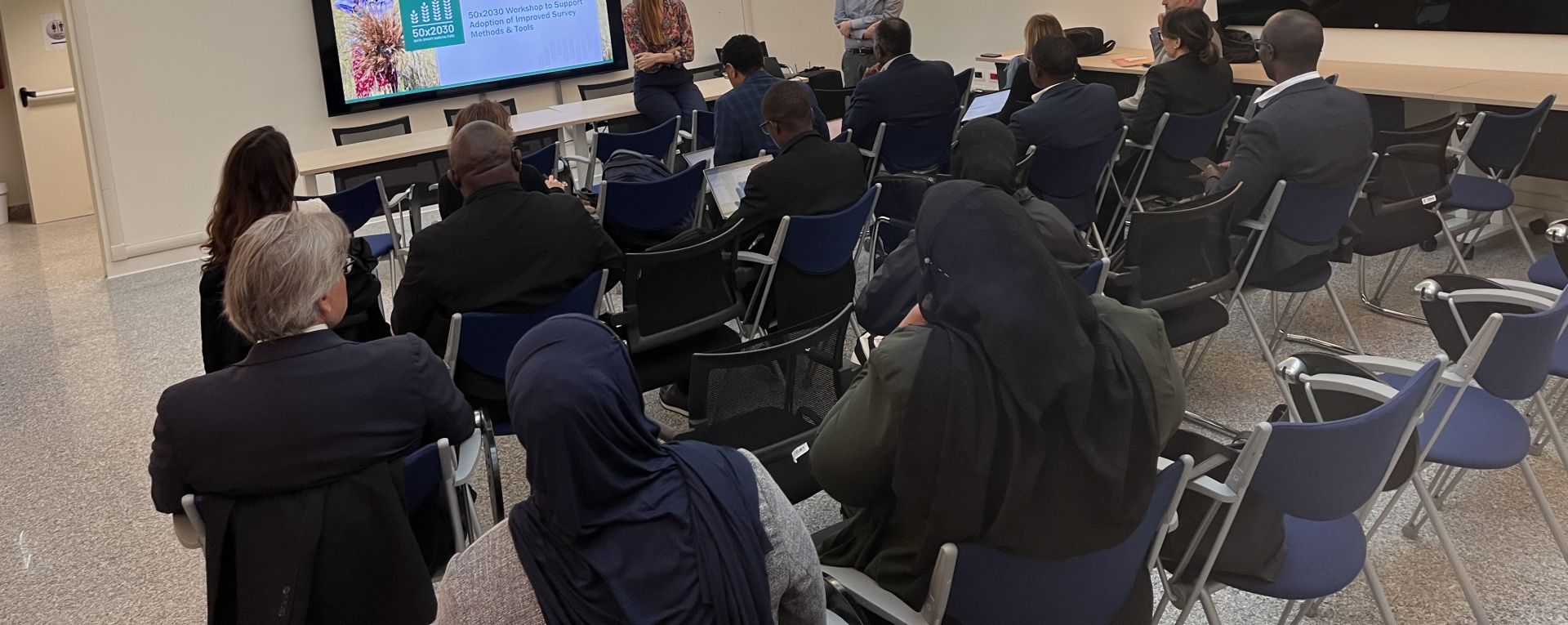
The 50x2030 Initiative convened country partners and technical experts in Rome for a two-day event focused on advancing the adoption of improved survey approaches for agricultural data collection.
Organized under the Initiative’s Methods & Tools Development component and led by the World Bank’s Living Standards Measurement Study (LSMS) team, the workshop brought together representatives from partner countries, implementing agencies, and the 50x2030 Program Management Team.
A range of validated and emerging survey methodologies, such as innovations in geospatial data collection, mixed-mode survey approaches, and improved techniques for measuring key agricultural indicators such as land, labor, and environmental conditions were presented. The discussions centered on how these methodologies can enhance data quality, reduce measurement error, and strengthen the relevance of agricultural statistics for policy and decision-making.
Participating countries identified several approaches with strong potential for integration into upcoming agricultural survey operations, including georeferencing protocols, GPS- and tablet-based land area measurement, crop-cutting methods, mixed-mode data collection approaches, and expanded survey modules on climate, soil health, and digital farmer services. Discussions also helped define priority areas for follow-up technical support, peer learning, and continued collaboration to facilitate adoption and scale-up in future survey rounds.
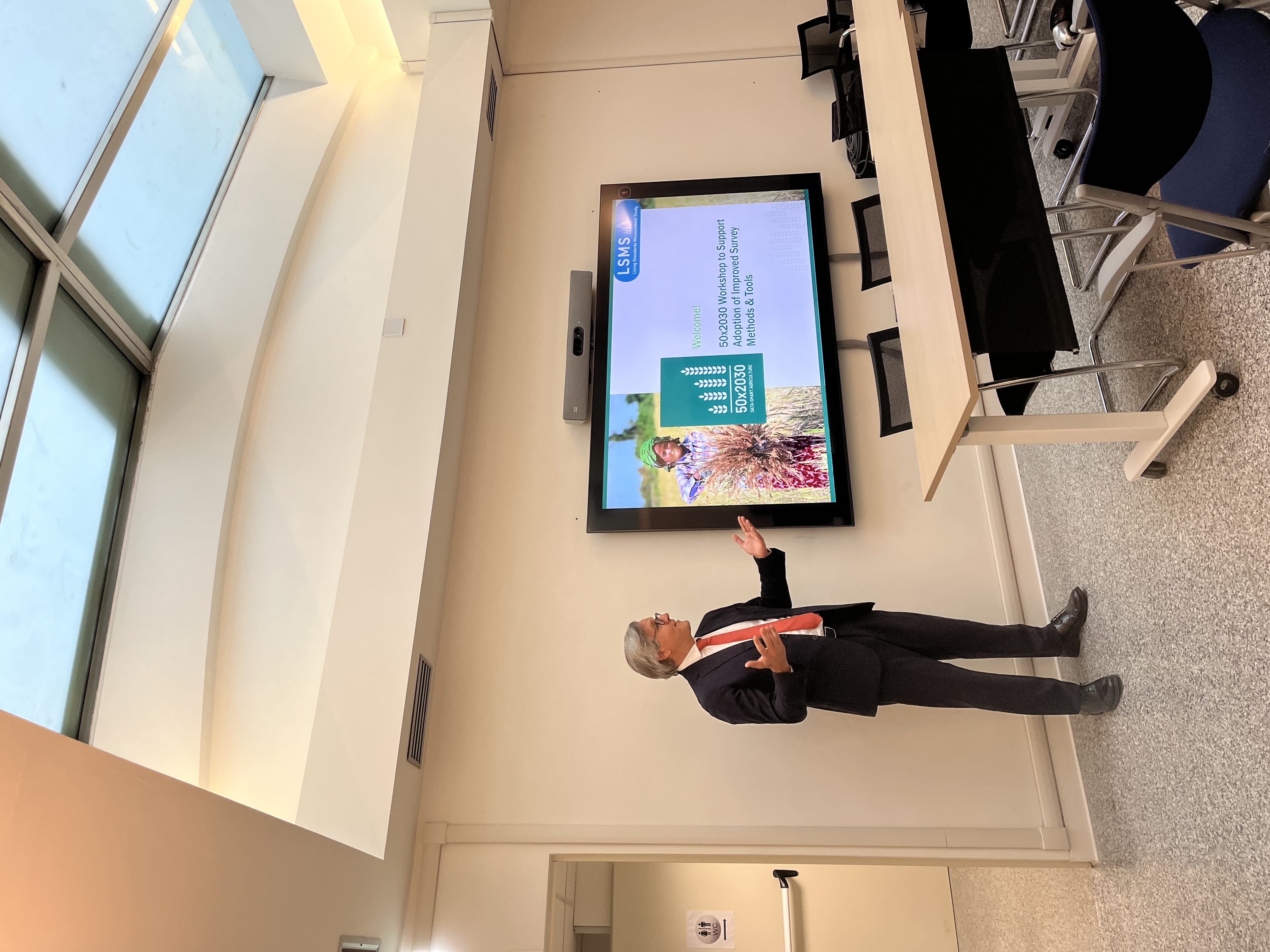
The workshop aimed to support country teams in assessing the feasibility of integrating these approaches into national agricultural survey operations. Through interactive sessions and peer exchange, participants explored implementation pathways, shared country experiences, and discussed operational considerations, including capacity, costs, and alignment with existing systems. By bringing together a diverse group of stakeholders, the event also strengthened collaboration and knowledge sharing across institutions, while helping identify opportunities and challenges in scaling up improved approaches, as well as areas where additional guidance and support may be required.
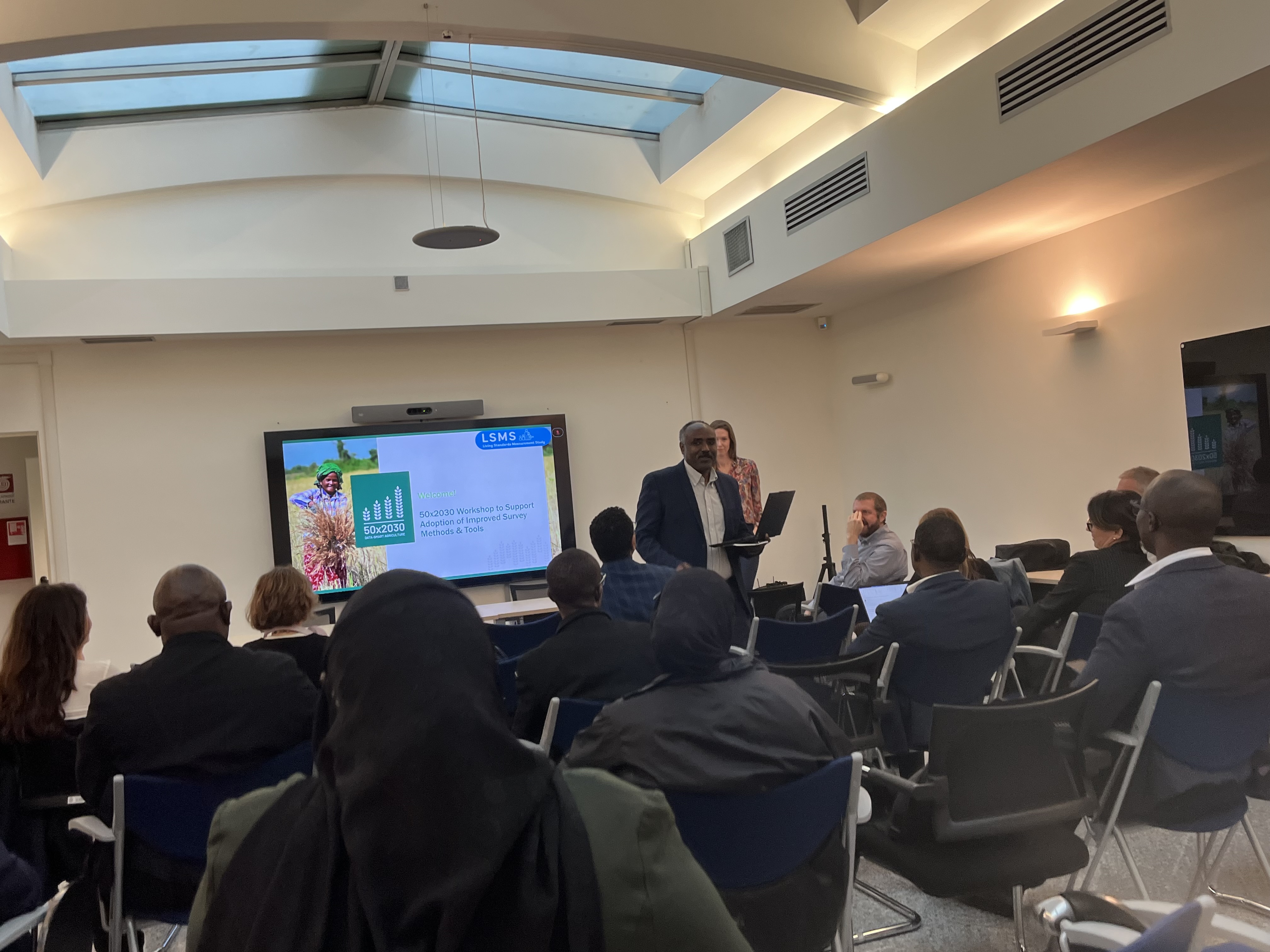
This learning event additionally provided an opportunity to gather structured feedback from country teams, helping ensure that future methodological development and technical support remain closely aligned with country priorities and needs.
Insights from the discussions will inform the next phase of the Methods & Tools Development component, contributing to the refinement of tools and guidance, and supporting countries in producing high-quality, policy-relevant agricultural data.